 anabelle
 By anabelle
 Fact checked by Edward Harrington
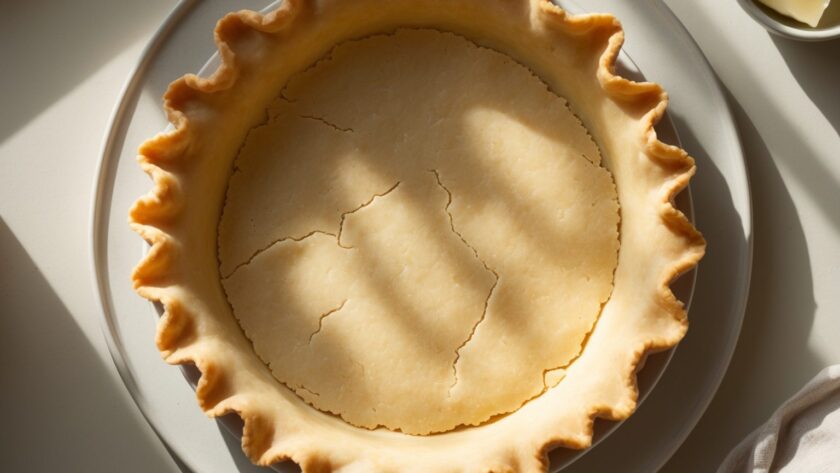
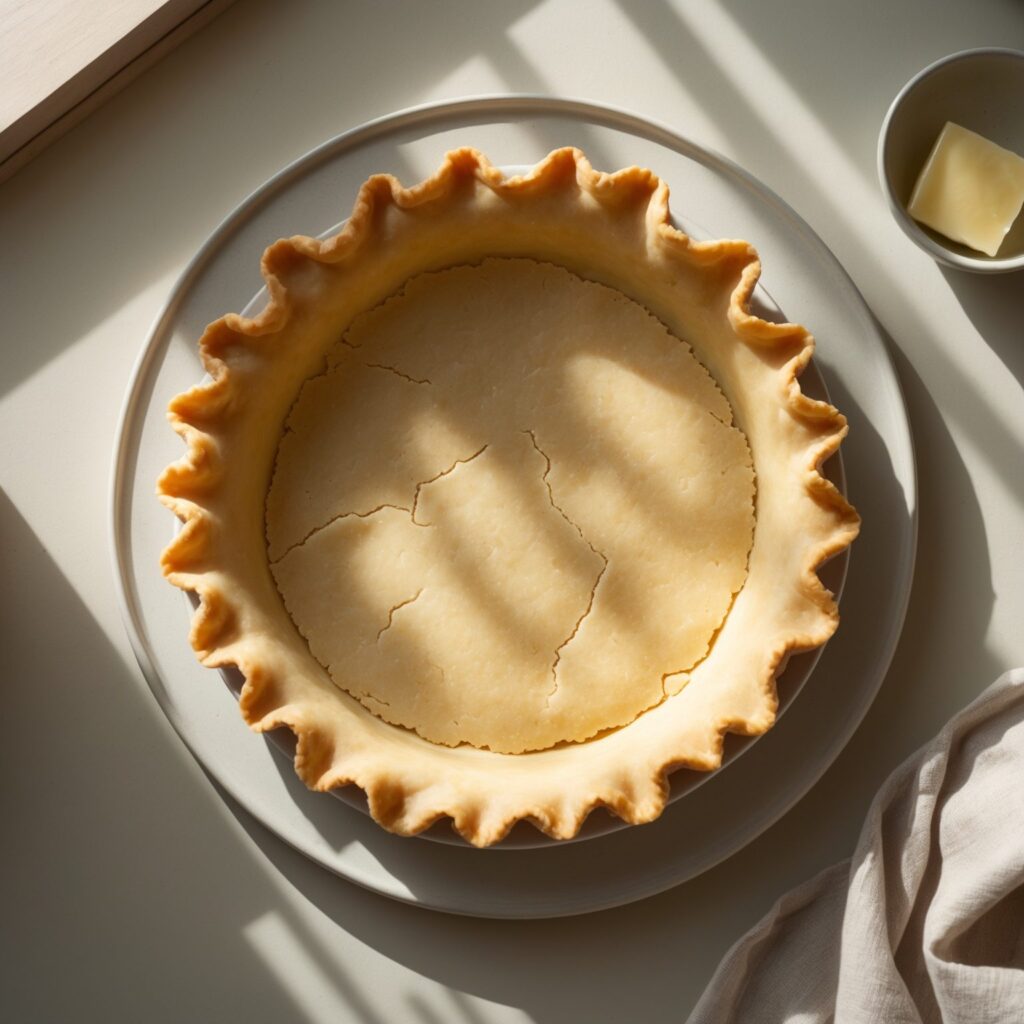
Martha Stewart pie crust is a tender, all-butter dough that bakes up golden and shatters into light, delicate flakes. It has a rich flavor and a sturdy yet crisp texture that holds up beautifully to fruit, custard, and savory fillings alike. This version is inspired by Martha Stewart’s classic American home baking style.
It takes about 85 minutes from start to finish and is simple enough for a first-time baker, but impressive enough for a holiday table. I like to make it ahead so a fresh pie is always within reach on a busy weekend or before a potluck.
Why This Martha Stewart Pie Crust Works
The key is keeping the butter cold and leaving some pieces the size of peas. Those small solid pieces melt in the oven and create steam pockets, which is what gives the crust its flaky layers.
A short rest in the refrigerator is just as important as the mixing. It lets the gluten relax so the dough rolls out easily and does not shrink or turn tough in the oven.
What You’ll Love About It
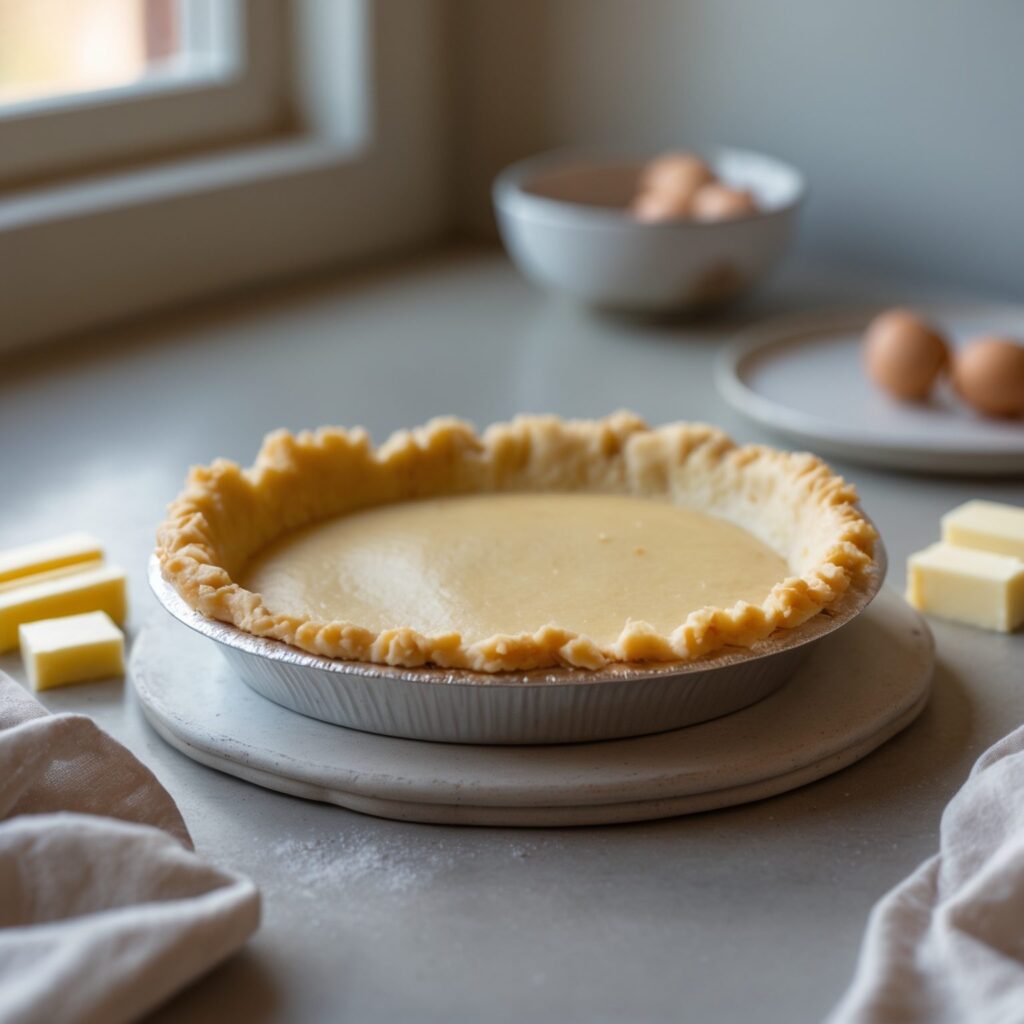
You get a buttery crust that stays crisp under juicy fillings, a forgiving dough that is easy to roll, and a make-ahead base that works for sweet or savory pies.
Ingredients
This flaky crust comes together with five pantry staples.
- 2 1/2 cups (312g) all-purpose flour — plus extra for dusting the work surface
- 1 teaspoon (4g) kosher salt
- 1 tablespoon (12g) granulated sugar
- 1 cup (2 sticks / 227g) unsalted butter — cold and cut into 1/2-inch cubes
- 1/2 cup (120ml) ice water — plus 1 to 2 tablespoons more if needed
Equipment
- Large bowl — wide enough to toss the flour and butter easily
- Pastry blender — or use your fingertips
- Fork — for mixing in the ice water
- Plastic wrap — to wrap the dough disks
- Rolling pin
- 9-inch (23cm) pie plate
- Parchment paper — for blind baking
How to Make Martha Stewart Pie Crust
Step 1: Combine the Dry Ingredients
Whisk the flour, kosher salt, and granulated sugar together in a large bowl until evenly mixed. This keeps the salt and sugar from clumping in one spot.
Step 2: Coat the Butter in Flour
Add the cold butter cubes to the flour mixture and toss them with your fingertips until each cube is coated. Work quickly so the butter stays cold and firm.
Step 3: Cut in the Butter
Press the butter cubes between your thumbs and forefingers or use a pastry blender until the mixture looks like coarse meal with some pea-sized butter pieces still visible. Do not overwork the dough here, or the crust will be tough instead of flaky.
Step 4: Add the Ice Water
Drizzle 1/2 cup (120ml) ice water over the flour mixture and toss with a fork just until the dough begins to clump when pressed. Add the extra tablespoons of ice water one at a time only if the dough remains dry and crumbly.
Step 5: Shape the Dough Disks
Turn the dough onto a lightly floured work surface and divide it in half. Shape each half into a flat 1-inch-thick disk with your hands.
Step 6: Chill the Dough
Wrap each disk tightly in plastic wrap and refrigerate for at least 1 hour and up to 2 days. The rest lets the gluten relax and the butter re-firm, which prevents shrinking and ensures flakiness.
Step 7: Soften Slightly
Remove one disk from the refrigerator and let it stand at room temperature for 5 to 10 minutes until slightly pliable but still cool to the touch. If it softens too much, return it to the fridge for a few minutes.
Step 8: Roll the Dough
Roll the dough on a lightly floured surface into a 12-inch (30cm) round, turning and lightly flouring the dough as needed to prevent sticking. Transfer it to a 9-inch (23cm) pie plate by rolling it loosely around the rolling pin and unrolling it over the plate.
Step 9: Fit and Crimp
Press the dough gently into the bottom and sides of the plate without stretching it. Trim the overhang to 1 inch (2.5cm), fold the overhang under itself to form a thick rim, and crimp as desired. Use the second disk for a double crust or freeze it for later.
Step 10: Blind Bake if Needed
For a baked unfilled crust, refrigerate it for 30 minutes, prick the bottom with a fork, line it with parchment and pie weights, and bake at 350°F (175°C) for 15 minutes. Remove the weights and bake 10 to 15 minutes longer until golden and crisp.
What to Serve With It
- Fresh fruit fillings — peaches, apples, or berries highlight the buttery flavor.
- Silky custards — pumpkin or pecan filling pairs well with the crisp base.
- Savory quiche — eggs and vegetables bake up light and clean.
- Warm coffee — a natural match with a slice of pie.
Tips for the Best Results
- Keep everything cold — chill the bowl and flour for 15 minutes in hot weather.
- Use ice water — regular tap water can soften the butter too quickly.
- Leave butter lumps — pea-sized pieces are what create the layers.
- Roll from center — even pressure prevents thin spots and cracks.
- Rest the shaped crust — chilling again before baking reduces shrinking.
- Check your oven — an oven thermometer keeps the temperature accurate.
Easy Variations
Swap up to half of the all-purpose flour with whole wheat flour for a nuttier crust. Add 1 teaspoon of lemon zest or cinnamon to the dry ingredients for a fragrant touch, or replace 2 tablespoons of water with fresh lemon juice for a subtle tang.
Storing and Reheating
- Refrigerator — unbaked disks keep well wrapped for up to 2 days.
- Freezer — unbaked disks freeze for up to 3 months.
- Make ahead — rolled unbaked crusts freeze in the pie plate for 1 month.
- Reheat — a baked empty crust at 350°F (175°C) for 5 to 7 minutes until crisp.
Nutrition (per serving)
These values are estimates per serving and will vary based on the exact ingredients you use.
| Nutrient | Amount |
|---|---|
| Calories | 348 kcal |
| Protein | 4g |
| Carbs | 31g |
| Fat | 23g |
| Fiber | 1g |
| Sodium | 323mg |
FAQs
Can I make this Martha Stewart pie crust recipe ahead of time?
Yes, the dough disks can be wrapped tightly and kept in the refrigerator for up to 2 days. You can also freeze them for up to 3 months and thaw overnight in the fridge before rolling.
Why does my pie crust shrink in the oven?
Shrinking usually happens when the dough is stretched to fit the pan or not chilled long enough. Let the dough relax in the refrigerator for at least 30 minutes after shaping the crust.
My dough feels too crumbly. What should I do?
Add ice water 1 tablespoon at a time and toss gently with a fork until the dough just holds together when pressed. Adding too much water at once can make the crust dense.
Where did flaky all-butter pie crust come from?
Pie crust has been part of American baking for centuries, with all-butter dough becoming popular for its rich taste and flaky layers. Home bakers have long relied on cold butter and a light hand to get the best texture.
PrintMartha Stewart-Inspired Flaky All-Butter Pie Crust
This tender, buttery pie crust shatters into delicate flakes with every bite and has a rich, golden flavor that complements both sweet and savory fillings. Inspired by Martha Stewart’s classic American home baking style, it uses simple pantry staples and a foolproof folding technique for a beautifully layered result.
- Prep Time: 25
- Total Time: 85
- Yield: 8 1x
- Category: Baking
- Method: Baking
- Cuisine: American
Ingredients
- 2 1/2 cups (312g) all-purpose flour, plus extra for dusting
- 1 teaspoon (4g) kosher salt
- 1 tablespoon (12g) granulated sugar
- 1 cup (2 sticks / 227g) unsalted butter, cold and cut into 1/2-inch cubes
- 1/2 cup (120ml) ice water, plus 1 to 2 tablespoons more if needed
Instructions
- Whisk the flour, kosher salt, and granulated sugar together in a large bowl until evenly combined.
- Add the cold butter cubes to the flour mixture and toss with your fingertips until each cube is coated, working quickly so the butter stays cold.
- Cut the butter into the flour by pressing the cubes between your thumbs and forefingers or using a pastry blender until the mixture looks like coarse meal with some pea-sized butter pieces still visible; do not overwork or the crust will be tough.
- Drizzle 1/2 cup (120ml) ice water over the flour mixture and toss with a fork just until the dough begins to clump when pressed; add the extra tablespoons of ice water one at a time only if the dough remains dry and crumbly.
- Turn the dough onto a lightly floured work surface and divide it in half, shaping each half into a flat 1-inch-thick disk with your hands.
- Wrap each disk tightly in plastic wrap and refrigerate for at least 1 hour and up to 2 days so the gluten relaxes and the butter re-firms, which prevents shrinking and ensures flakiness.
- Remove one disk from the refrigerator and let it stand at room temperature for 5 to 10 minutes until slightly pliable but still cool to the touch.
- Roll the dough on a lightly floured surface into a 12-inch (30cm) round, turning and lightly flouring the dough as needed to prevent sticking, then transfer it to a 9-inch (23cm) pie plate by rolling it loosely around the rolling pin and unrolling it over the plate.
- Press the dough gently into the bottom and sides of the plate without stretching it, trim the overhang to 1 inch (2.5cm), and fold the overhang under itself to form a thick rim, then crimp as desired; use the second disk for a double crust or freeze for later.
- For a baked unfilled crust, refrigerator for 30 minutes, prick the bottom with a fork, line with parchment and pie weights, and bake at 350°F (175°C) for 15 minutes, then remove the weights and bake 10 to 15 minutes longer until golden and crisp.
Notes
Store unbaked pie dough disks wrapped tightly in the refrigerator for up to 2 days or in the freezer for up to 3 months. Thaw frozen dough overnight in the refrigerator before rolling. A fully baked unfilled crust can be kept at room temperature, tightly wrapped, for up to 2 days. To reheat a baked empty crust, place it in a 350°F (175°C) oven for 5 to 7 minutes until crisp. Rolled, unbaked crusts can also be frozen in the pie plate for up to 1 month; bake directly from frozen, adding 5 to 10 minutes to the bake time.
Nutrition
- Calories: 348
- Sugar: 2g
- Sodium: 323mg
- Saturated Fat: 15g
- Carbohydrates: 31g
- Fiber: 1g
- Protein: 4g
- Cholesterol: 61mg
Keywords: pie crust, Martha Stewart pie crust, all-butter pie dough, flaky pie crust recipe, homemade pie crust, double crust pie dough, Martha Stewart recipes, baking, Thanksgiving pie crust, holiday pie crust